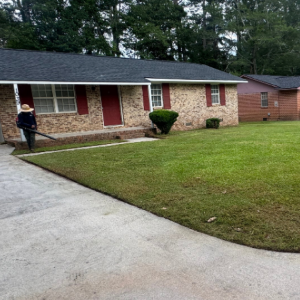
Few things frustrate homeowners more than looking out at a lawn that was lush and green in spring, only to see it invaded by ugly, spindly patches of crabgrass by summer. Crabgrass is more than just an eyesore. It competes with healthy turf for water, nutrients, and sunlight, leaving your lawn stressed, weak, and patchy.
At Genesis Landscaping Greenworks & Design , we believe every homeowner deserves a yard that’s both beautiful and thriving. Maintaining that kind of outdoor space takes effort and intentional care—just like cultivating strong roots in faith and family. In this article, we’ll walk you step by step through how to prevent, control, and stop crabgrass from taking over your lawn , especially here in the hot Georgia climate.
What is Crabgrass?
Crabgrass is an annual grassy weed that grows aggressively in warm weather. Unlike perennial grasses that come back year after year, crabgrass completes its life cycle in one season—but while it lives, it spreads quickly and can drop thousands of seeds into your soil.
Those seeds lie dormant through winter, waiting for the right conditions. Once the soil warms to around 55°F for several consecutive days , crabgrass begins to germinate. That typically happens in March or April in Athens, GA , which makes early spring the most important time to take action.
Crabgrass gets its name from the way its stems sprawl outward like crab legs. It thrives in bare spots, compacted soil, and areas that are overwatered or under-fertilized —basically, anywhere your lawn is weak.
Why Crabgrass is a Problem
-
Chokes out healthy grass – Crabgrass grows fast and steals resources from desirable turf.
-
Ugly patches – Its coarse texture and lime-green color stand out against fescue or Bermuda.
-
Spreads aggressively – One plant can produce up to 150,000 seeds.
-
Weakens your lawn long-term – When it dies off in fall, it leaves bare patches that invite even more weeds.
The good news? With the right prevention and maintenance, crabgrass can be controlled and even eliminated from your yard.
Step 1: Prevent Crabgrass with Pre-Emergent Herbicides
The most effective way to stop crabgrass is to prevent it before it starts. That’s where pre-emergent herbicides come in.
How Pre-Emergents Work
Pre-emergent products don’t kill existing crabgrass. Instead, they create a chemical barrier in the soil that prevents seeds from germinating. If you wait until you already see crabgrass, it’s too late for this step.
When to Apply in Georgia
In Athens and the surrounding area, apply pre-emergent herbicide:
-
First round : Late February to early March
-
Second round : 6–8 weeks later for longer control
A good rule of thumb: Apply when dogwoods start blooming or when soil temperature hits 55°F .
Pro Tip: Water it In
Always water your lawn lightly after applying pre-emergent so it activates and penetrates the top layer of soil.
Step 2: Kill Existing Crabgrass with Post-Emergent Treatments
If you missed the pre-emergent window or already see crabgrass growing, you’ll need post-emergent herbicides .
-
Choose a selective herbicide labeled safe for your type of grass (e.g., Bermuda, fescue, or zoysia).
-
Spray young crabgrass plants while they’re small and tender for best results.
-
For stubborn patches, you may need repeat applications.
Be careful not to over-apply—too much herbicide can harm your turf.
Step 3: Strengthen Your Lawn to Crowd Out Crabgrass
The best defense against crabgrass is a thick, healthy lawn . If your turf is thriving, weeds don’t stand a chance. Here’s how to build that natural barrier:
Mowing
-
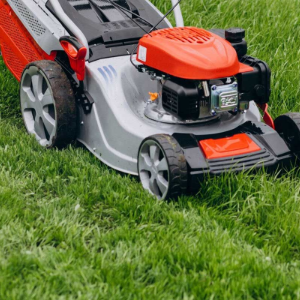
Mow at the right height for your grass type. Taller grass shades the soil, keeping it cooler and reducing weed germination.
-
For fescue: 3–4 inches. For Bermuda: 1–2 inches.
Watering
-
Water deeply but infrequently to encourage deep root growth.
-
Avoid frequent shallow watering, which creates ideal crabgrass conditions.
Fertilizing
-
Apply balanced fertilizer based on soil test results.
-
Too much nitrogen can encourage crabgrass, so aim for steady, even feeding.
Overseeding
-
If your lawn has bare patches, overseed in fall (for fescue) or late spring (for warm-season grasses).
-
Thick turf means fewer opportunities for weeds.
Step 4: Address Problem Areas
Crabgrass often shows up in the same spots year after year. These trouble zones need special attention.
-
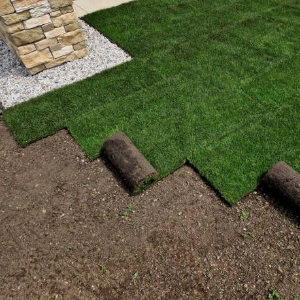
Bare patches – Reseed or lay sod to fill them in.
-
Compacted soil – Aerate your lawn to loosen the soil and improve water penetration.
-
Edges of driveways and sidewalks – These areas heat up faster and are crabgrass magnets. Apply extra pre-emergent along borders.
Step 5: Use Mulch in Flower Beds and Borders
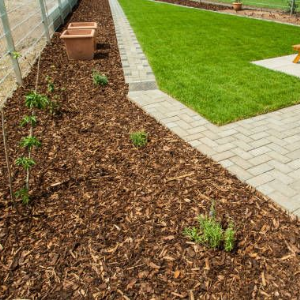
In addition to your lawn, crabgrass loves to creep into mulch beds, garden borders, and around trees .
-
Apply 2–3 inches of mulch to block sunlight from reaching crabgrass seeds.
-
Refresh mulch annually to maintain weed protection and healthy soil.
Common Mistakes Homeowners Make
-
Applying pre-emergent too late – Timing is everything. Once crabgrass germinates, pre-emergent won’t help.
-
Cutting grass too short – Scalping your lawn lets sunlight reach weed seeds.
-
Overwatering – Shallow, frequent watering encourages weed growth.
-
Ignoring lawn health – Chemicals alone won’t solve the problem if your turf is weak.
-
One-and-done mindset – Crabgrass prevention is an annual routine, not a single fix.
A Faith-Based Perspective on Lawn Care
At Genesis Landscaping Greenworks & Design, we see lawn care as more than just maintenance—it’s stewardship. Just as Scripture teaches us to tend the earth faithfully, we believe caring for your landscape is a way of creating beauty, order, and peace in your corner of God’s creation.
Crabgrass, like many challenges in life, creeps in when we neglect the foundation. But with diligence, patience, and the right tools, it can be managed and overcome.
Professional Help in Athens, GA
While many homeowners tackle crabgrass themselves, some lawns need extra attention. That’s where our team comes in. With over 12 years of experience in Athens landscapes, we know the soil, the climate, and the weeds that challenge local lawns.
When you choose Genesis Landscaping Greenworks & Design, you get:
-
Expert pre- and post-emergent applications
-
Lawn aeration, overseeding, and fertilization
-
Customized maintenance plans rooted in faith and integrity
-
A partner who shows up on time and treats your yard like our own
Final Thoughts
Stopping crabgrass takes planning and persistence. By combining smart prevention with healthy lawn practices, you can enjoy a thick, green yard that’s free of weeds year after year.
Remember these key steps:
-
Apply pre-emergent in early spring.
-
Spot-treat existing weeds with post-emergent.
-
Build a healthy lawn through proper mowing, watering, and fertilizing.
-
Address bare spots and compacted soil.
-
Mulch flower beds to block weed growth.
Crabgrass may be relentless, but it doesn’t have to win. With care and commitment, your lawn can thrive and reflect the beauty of new beginnings—just as our tagline says: “Where new beginnings take root.”